42PCS Magnetic Wooden Blocks: Bigger Builds for Kids
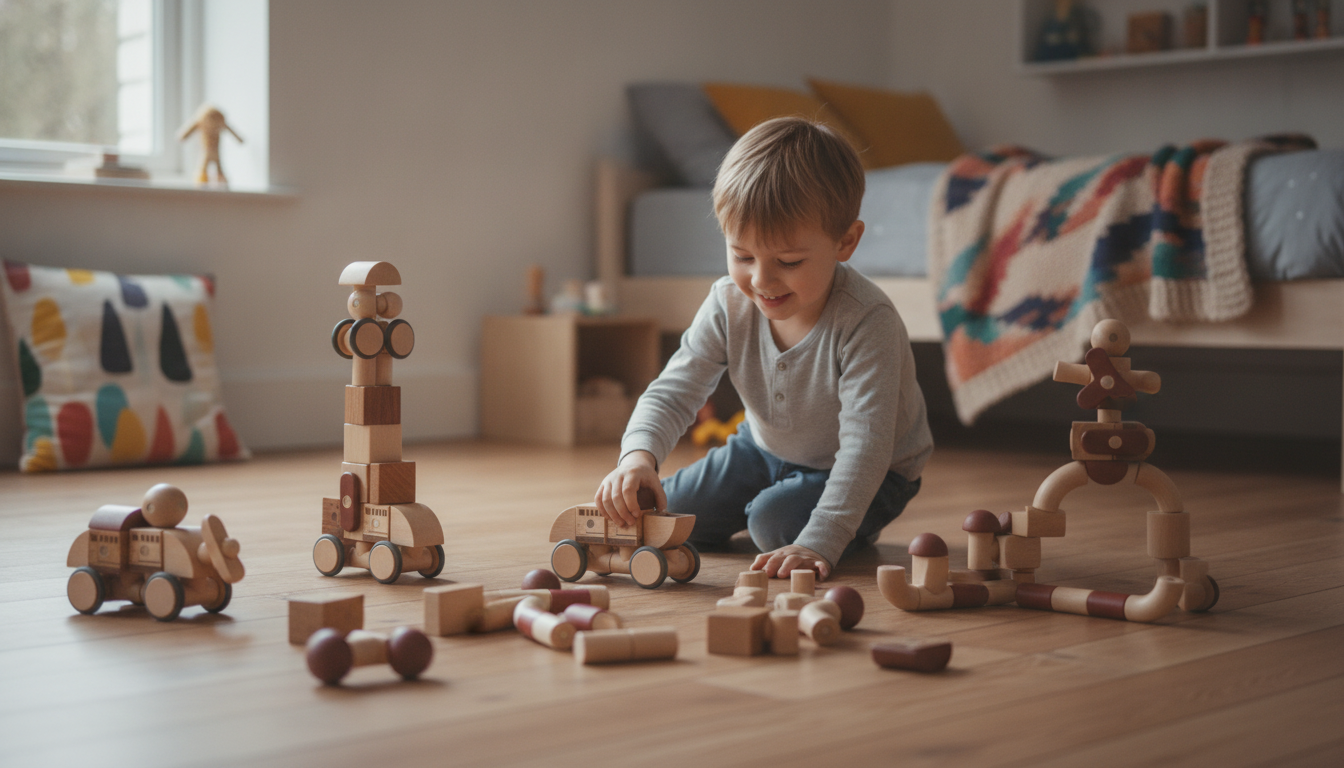
Build Bigger Ideas with 42PCS Magnetic Wooden Blocks
Magnetic wooden blocks combine the satisfying feel of real wood with the quick “click” of magnets, making it easier for kids to build sturdy shapes, experiment with balance, and keep creating without constant frustration. A 42-piece set offers enough variety for open-ended play while staying manageable for storage and cleanup. Whether your child is making a simple pattern on the floor or a multi-step build with bridges and towers, magnetic connections help keep momentum going—so imagination doesn’t stop every time a piece slips.
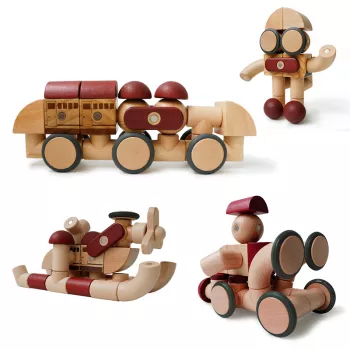
For families who value play with real learning benefits, magnetic construction can support hands-on exploration in a way that feels natural and fun. The 42PCS Magnetic Wooden Blocks for Kids set is a practical size for home, classrooms, and gift-giving—big enough to spark creativity, small enough to put away without turning cleanup into a project of its own.
What Makes Magnetic Wooden Blocks Different
- A warmer, more tactile feel: Wooden surfaces offer a grounded, sensory building experience compared to all-plastic tiles.
- More stable building: Magnetic connections help structures stay together, which supports taller towers and more complex designs.
- Open-ended play: Instead of “one right build,” kids can create houses, animals, patterns, and simple machines—then rebuild again.
- Great for solo or shared play: Magnetic blocks work well for quiet, focused play and for cooperative building with siblings or caregivers.
Play-based learning is strongly supported by child development research. For a deeper look at why play matters, see the American Academy of Pediatrics report on The Power of Play.
What’s Included in a 42-Piece Set and Why It Matters
A 42-piece set hits a sweet spot: enough variety to move beyond basic stacking, without overwhelming kids (or your storage bin). With more pieces available, children can plan multi-step builds, test their own ideas, and adjust designs as they go—without running out of parts halfway through a project.
- Room to grow: Start with 2D mosaics and flat patterns, then level up to 3D houses, bridges, and combined structures.
- Better for shared play: More pieces reduce conflicts when multiple kids want the same shape at the same time.
- Stronger design learning: Kids practice thinking ahead: “What base do I need before I add height?”
- Shape variety matters: Triangles improve stability, longer pieces help span gaps, and smaller pieces add details and “finishing touches.”
How different piece counts affect play
| Piece range | Best for | Typical builds | Play style |
|---|---|---|---|
| 20–30 | Early exploration | Simple towers, flat mosaics | Short sessions, quick success |
| 40–60 | Skill-building and variety | Bridges, small houses, themed scenes | Longer sessions, cooperative play |
| 70+ | Large-scale projects | Towns, tall structures, multi-room builds | Group play, advanced planning |
Skills Kids Practice While Building
Magnetic wooden blocks aren’t just “busy time.” The act of building—choosing parts, rotating shapes, testing balance—helps kids practice foundational skills that carry into school and everyday problem-solving.
- Fine-motor control: Aligning edges, placing pieces with intention, and adjusting angles builds dexterity.
- Spatial reasoning: Kids learn how shapes fit, rotate, and stack in three dimensions.
- Early STEM thinking: Stability, symmetry, and cause-and-effect become obvious when a base holds—or collapses.
- Language and storytelling: Finished builds invite narration: naming creations, explaining steps, and role-playing.
- Social-emotional growth: Patience, turn-taking, and flexible thinking develop when kids revise a plan after a “tower crash.”
For family-friendly guidance on how play supports learning and development, the National Association for the Education of Young Children (NAEYC) shares helpful insights on play and learning.
Safety and Quality Checks to Look For
Any magnetic toy deserves thoughtful handling, especially in homes with younger siblings. Choosing a well-made set—and keeping it in good condition—helps protect kids while they build.
- Age-appropriateness: Follow the manufacturer’s recommended age range; keep small parts away from toddlers who mouth objects.
- Magnet security: Magnets should be fully enclosed and resistant to loosening over time.
- Smooth finish and edges: Rounded corners and non-flaking coatings help reduce splinters and irritation.
- Durability: Pieces should resist cracking and maintain magnet alignment after normal drops.
- Supervision: Remove damaged pieces immediately and store securely after play.
For official safety guidance, review the U.S. Consumer Product Safety Commission information on magnet safety.
Easy Build Ideas (From Quick Wins to Big Projects)
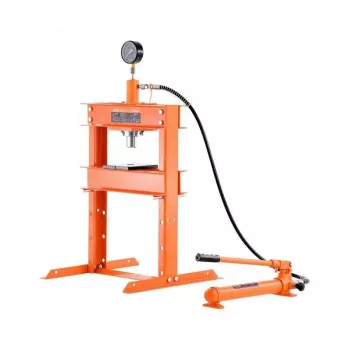
If you like documenting builds for sharing with family or using in a classroom, an overhead view can help. The Heavy-Duty Articulating Overhead Camera Mount is a useful add-on for recording step-by-step builds or creating quick “challenge” videos kids can follow later.
Storage, Cleanup, and Keeping the Set in Great Shape
42PCS Magnetic Wooden Blocks for Kids: Quick Product Snapshot
| Item | Details |
|---|---|
| Name | 42PCS Magnetic Wooden Blocks for Kids |
| Price | 109.01 USD |
| Availability | In stock |
| Product page | View current price and availability |
FAQ
What age is appropriate for magnetic wooden blocks?
Follow the manufacturer’s recommended age range, and consider magnetic blocks best for kids who are past the mouthing stage. If younger siblings are in the home, use supervised play and store the set securely after building.
How can magnets in toys be used safely at home?
Use only intact pieces, remove and discard any damaged blocks immediately, and keep magnetic toys out of reach of toddlers. Store the set in a closed container, and follow official safety guidance about magnet ingestion risks.
Are magnetic wooden blocks good for learning, or just for play?
They support learning through hands-on building: kids practice spatial reasoning, fine-motor control, early engineering concepts (stability and balance), language skills when they explain builds, and teamwork during shared projects.









Leave a comment