Best Sneakers for Winter: Traction, Warmth & Water Resistance
Which sneakers are best for winter?
The best sneakers for winter are the ones that keep traction on slick sidewalks, block wind and slush, and still feel comfortable for long days. Look for a grippy rubber outsole with deeper tread, a water-resistant upper, and enough room to wear thicker socks without pinching. If you walk a lot in the city, prioritize stability and a secure fit over ultra-minimal, flat soles that can feel sketchy on ice-polished pavement.
What to look for in winter-ready sneakers
Traction first: A lugged or patterned outsole helps on wet concrete and packed snow. Avoid smooth, fashion-only soles if winter conditions are common.
Weather protection: Water-resistant leather, treated suede, or synthetics handle drizzle and slush better than open mesh. A gusseted tongue and higher collar can reduce splash-in.
Warmth and comfort: Light insulation or a slightly thicker lining goes a long way. Pair with merino or thermal socks and choose a sneaker with a forgiving toe box.
Easy care: Winter streets are rough on materials. Darker midsoles hide salt better, while coated leather wipes clean faster than porous fabrics.
Best winter sneaker types
Water-resistant leather sneakers: Great for everyday wear and easy to clean after salt and grime. They also cut wind better than knit uppers.
Trail-inspired sneakers: Often the best traction option, with more aggressive tread and supportive uppers for uneven, icy patches.
High-top sneakers: Helpful for blocking cold air and keeping out slush, especially when paired with thicker socks.
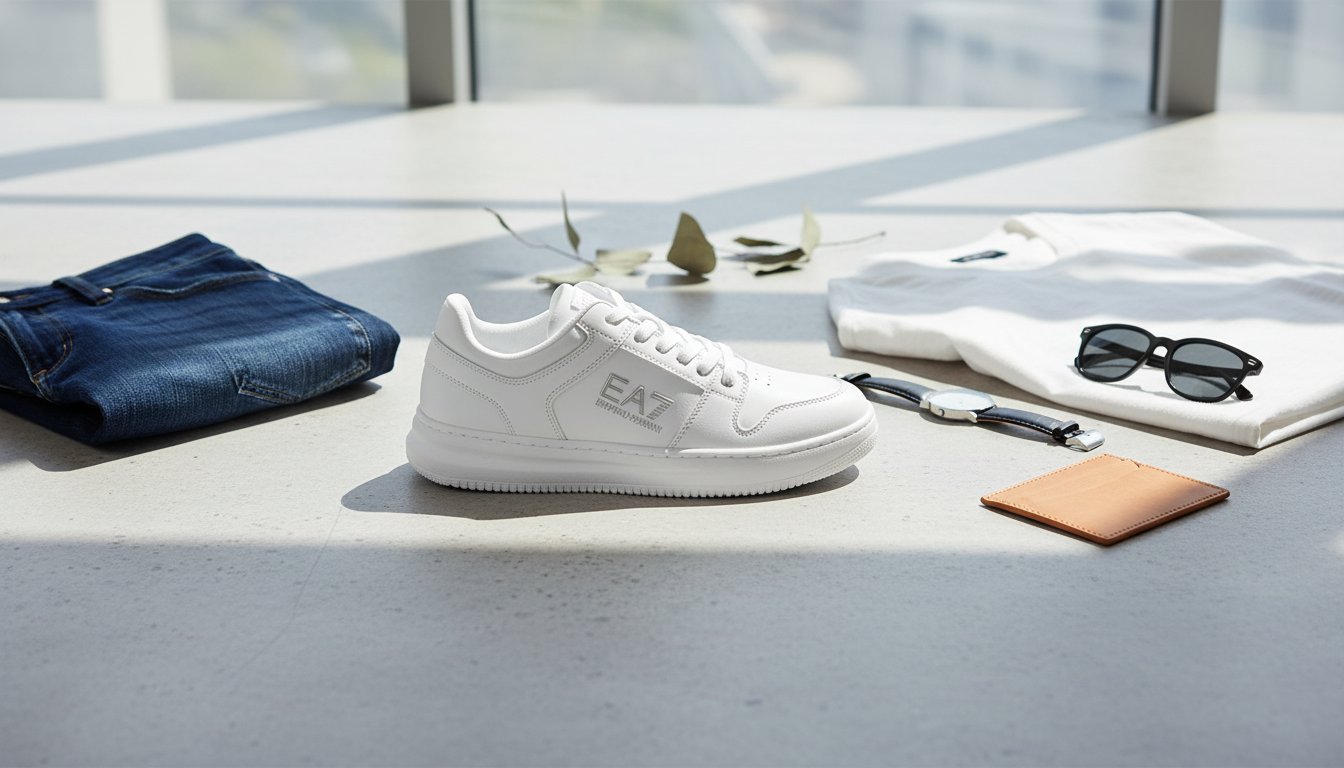
For style-forward cold-weather outfits—especially if you wear white sneakers year-round—use a winter city-wear approach that balances clean looks with practical materials. See more tips and examples here: mens white sneakers fall & winter city wear guide.
FAQ
How do I protect sneakers from snow and salt?
Apply a water-and-stain repellent made for your sneaker’s material, and wipe them down after each wear. For salt marks, use a damp cloth and a small amount of mild soap, then let them air-dry away from direct heat.









Leave a comment