Flagship HiFi Earphones: Fit, Source Pairing, Tuning
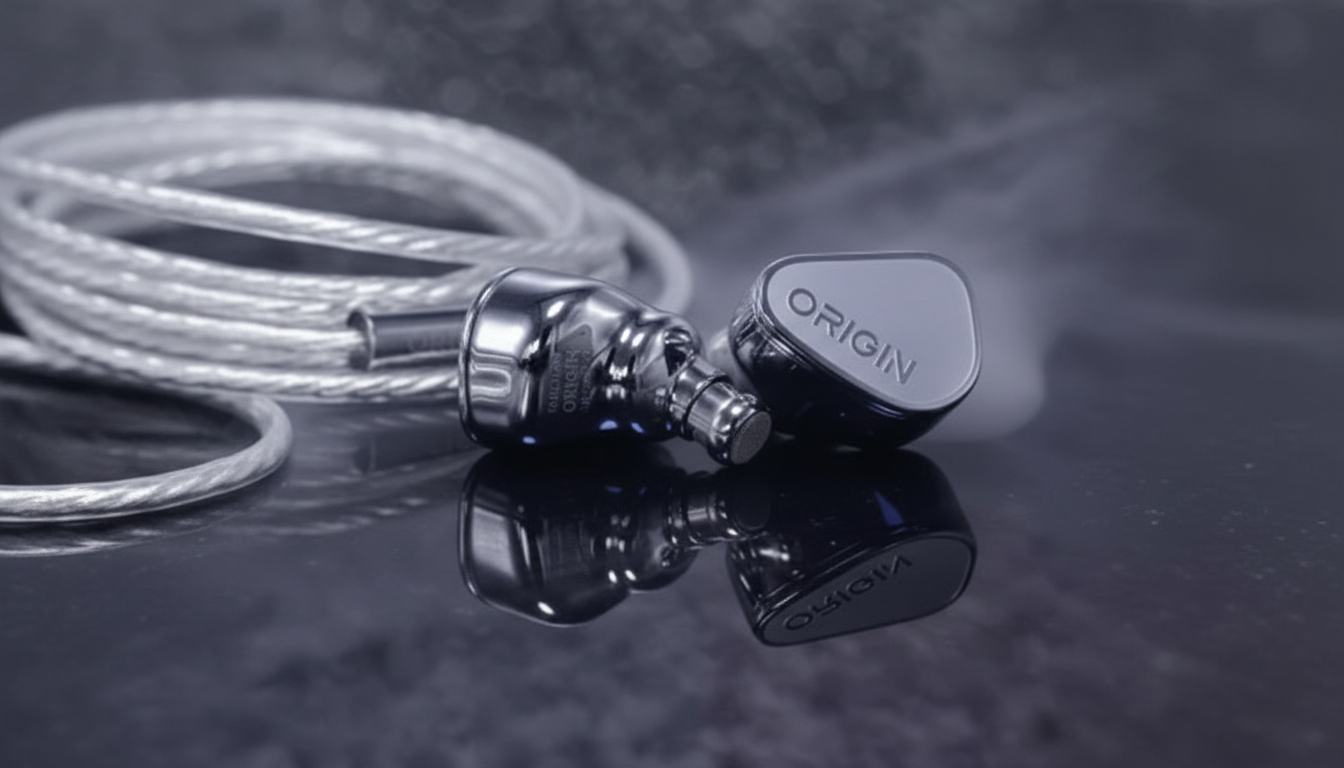
Flagship HiFi Earphones for Detailed, Spacious Listening
Flagship-tier earphones are built for listeners who want clarity, layering, and control across the entire frequency range—not just extra bass or added treble sparkle. The right pair should reveal small details (breath, reverb tails, room ambience), keep instruments separated in busy mixes, and remain comfortable for long sessions. This guide breaks down what to expect from a top-shelf HiFi earphone experience, how to pair earphones with sources, and tips to get the best seal, fit, and long-term performance day to day.
What “flagship” sound usually delivers
At the flagship level, improvements tend to feel less like “more” and more like “cleaner.” Instead of chasing a single wow factor, the goal is for every part of the mix to stay readable and stable.
- Higher perceived resolution: micro-details become easier to follow without turning the volume up.
- Better separation and imaging: instruments occupy stable positions instead of blending together.
- More controlled bass: punch and texture without bloom that masks mids.
- Cleaner treble behavior: crisp transients with fewer harsh peaks when properly tuned.
- Wider dynamic range: quiet passages stay intelligible; loud hits keep impact without compression.
Sound signature checkpoints to listen for
Two earphones can measure similarly and still feel very different in real listening. Use a few consistent checkpoints to quickly spot tuning strengths and potential fatigue triggers.
- Sub-bass extension: low notes should reach deep while staying tight and not “woofy.”
- Midrange realism: vocals and guitars should sound present and natural, not hollow or nasal.
- Treble detail vs fatigue: cymbals and strings should be articulate without turning sharp over time.
- Stage and depth: recordings should feel layered front-to-back, not only left-to-right.
- Coherence: transitions between bass, mids, and treble should feel seamless on complex tracks.
Quick listening checklist
| Test | What to play | What good sounds like |
|---|---|---|
| Bass control | Kick + bassline track | Punchy hits; bass notes stay distinct |
| Vocal timbre | Acoustic vocal recording | Natural tone; no shouty upper mids |
| Treble smoothness | Cymbal-heavy jazz | Crisp shimmer; no piercing glare |
| Imaging | Live recording | Clear placement; stable center vocal |
| Detail retrieval | Quiet passages | Room ambience and reverb tails audible |
Fit, seal, and comfort: the real performance switch
Even the best drivers can’t overcome a poor seal. For in-ear listening, fit is effectively part of the tuning—and small changes can shift the whole presentation.
- Seal affects everything: a weak seal can remove bass and make treble sound overly bright.
- Tip selection matters: silicone often emphasizes clarity; foam can smooth highs and improve isolation.
- Nozzle angle and insertion depth change tonal balance: small adjustments can improve imaging.
- Comfort is part of sound: pressure hotspots encourage shallow fit, which can reduce stability and bass.
- Match both sides: consistent left/right insertion depth and the same tip type keeps the stereo image centered.
A practical routine: start with a medium tip size, insert with a gentle twist, then do a quick bass check at low volume. If bass sounds thin, try a larger tip or foam; if things feel congested, a slightly shallower insertion or a different silicone tip shape can open the stage.
Pairing with phones, dongles, and DAC/amps
Flagship earphones often reveal changes upstream—not because they “need” exotic gear, but because their resolution makes noise, channel imbalance, and weak control easier to notice.
If you’re comparing sources, volume-match carefully. A tiny volume bump can be mistaken for “better detail.” For a quick reference on how lossless works in a mainstream ecosystem, see Apple Support: About Lossless Audio in Apple Music. For hearing safety guidance when enjoying higher detail for longer sessions, review NIOSH noise and hearing loss prevention.
Daily use and long-term care
Flagship HiFi Earphones: product snapshot
If the goal is an elevated, high-detail earphone experience with strong separation and a spacious presentation, Flagship HiFi Earphones are positioned as a premium option. Best results typically come from a secure seal, careful tip choice, and a clean source (a good phone dongle or a dedicated DAC/amp).
At-a-glance details
| Item | Value |
|---|---|
| Product | Flagship HiFi Earphones |
| Price | 410.51 USD |
| Availability | In stock |
| Stock count | 32 |
| Product page | https://cooltrendsspark.shop/flagship-hifi-earphones/ |
Helpful add-on for creators and reviewers
If you’re A/B testing tips, sources, or doing quick earphone impressions on camera, a stable overhead angle can make setup easier. The Heavy-Duty Articulating Overhead Camera Mount is an in-stock option to consider for a clean desk-based filming setup.
FAQ
Do flagship HiFi earphones need a DAC/amp?
Many flagship earphones run well from a phone or quality dongle, but a cleaner, low-noise source can reduce hiss and improve control, dynamics, and separation. Power needs depend on the earphone’s sensitivity and impedance, so prioritize adequate output and low noise over sheer wattage.
How can the best sound be achieved from in-ear earphones?
Start with fit and seal: use tips that hold a consistent seal, match left/right insertion depth, and adjust angle for comfort and stability. Tip rolling (silicone vs foam) can fine-tune clarity and smoothness, and clean nozzles help prevent sudden tonal imbalance.
Are lossless or high-resolution files worth it with premium earphones?
Better mastering matters most, but lossless playback can preserve detail and reduce compression artifacts on revealing earphones. Compare using volume-matched tests on familiar tracks to judge whether the difference is meaningful for your library and listening habits.









Leave a comment