Are Lighter Running Shoes Better? Pros, Cons & Fit Tips

Are lighter shoes better for running?
Lighter running shoes can feel faster and more effortless, especially during speed workouts or shorter runs, but “better” depends on how you run and what your body needs. Dropping shoe weight may reduce the energy required to move your feet, which is one reason many runners like lightweight trainers for tempo runs and race day. That said, weight is only one piece of performance and comfort.
When lighter shoes can help
If the fit is secure and the cushioning matches your stride, a lighter shoe can improve turnover and make runs feel smoother. Runners often notice the biggest benefit during intervals, track sessions, and uptempo efforts where quick transitions matter. Lightweight, breathable uppers can also feel cooler and less restrictive, which is useful in warm weather or high-sweat runs.
When lighter shoes can hurt
Some very light shoes achieve their weight by using less cushioning, thinner outsoles, or a more minimal structure. For runners who log high mileage, run on rough pavement, or prefer plush impact protection, going too light can lead to sore feet, calf tightness, or lower-leg fatigue. If a shoe feels unstable or forces your foot to work harder to stay aligned, any “speed” advantage can disappear quickly.
What matters more than grams
Fit and comfort should lead the decision. A light shoe that pinches, slips at the heel, or crowds the toes will perform worse than a slightly heavier shoe that locks in properly. Also consider cushioning level, outsole grip, flexibility, and how the shoe supports your natural gait. Many runners do well with a rotation: a lightweight pair for faster days and a more cushioned pair for long runs or recovery.
Picking a lightweight option safely
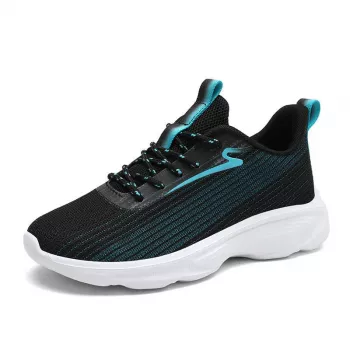
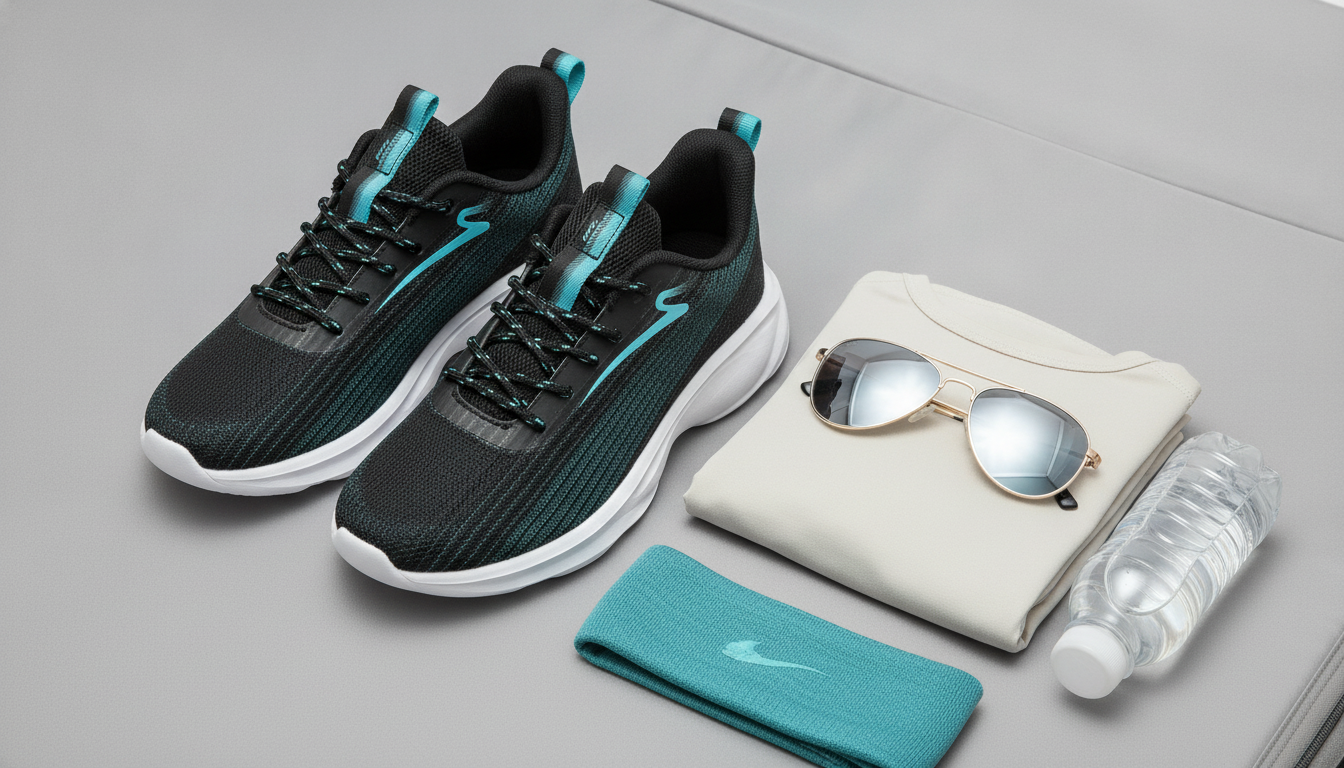
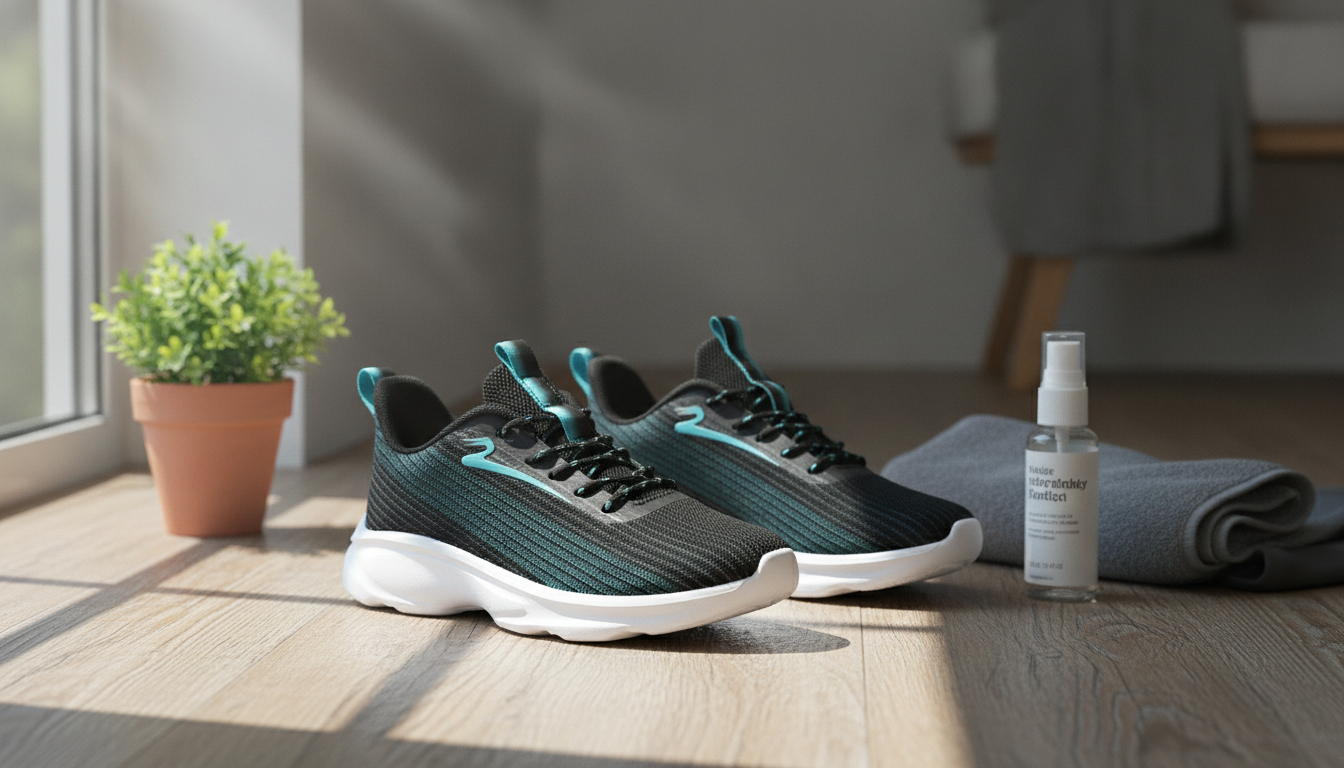
If switching to a lighter model, ease in over a couple of weeks—start with short runs and monitor how your calves and feet feel. For a practical breakdown of fit, comfort, and upkeep for lightweight, breathable runners, see the guide here: women’s ultra-lightweight breathable running shoes (fit & care).
FAQ
How do I choose the right amount of cushioning for my runs?
Match cushioning to your mileage and surfaces: more cushioning often feels better for long runs and recovery, while moderate cushioning can feel snappier for daily training. The right choice is the one that stays comfortable from the first mile to the last without causing hotspots or instability.






Leave a comment