Lightweight Running Shoes: When They Help (and When Not)
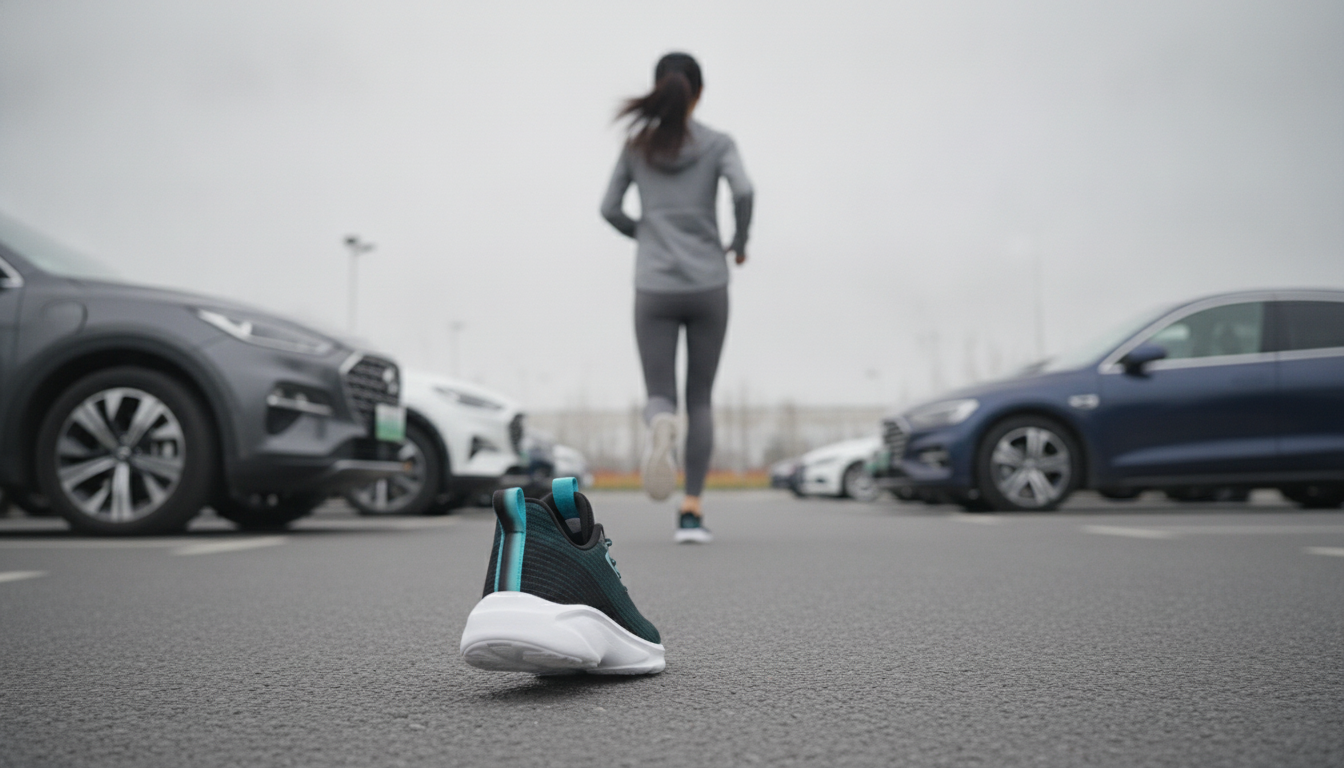
Are lightweight shoes good for running?
Lightweight shoes can be very good for running, especially when the goal is to feel quick, reduce foot fatigue from bulky materials, and keep feet cooler on warm or humid days. Many runners like them for short to mid-distance runs, speed workouts, and casual daily miles where a nimble, less-restrictive ride feels more natural.
That said, “lightweight” isn’t automatically “best.” The right pick depends on how your body handles impact, how stable your stride is, and what surfaces you run on. Some ultralight models trade away structure, durability, or cushioning to cut ounces, which can matter more on longer runs or if you’re prone to ankle roll or overuse aches.
When lightweight running shoes tend to shine
Lightweight shoes are a strong fit if you prefer a fast turnover, run mostly on roads or treadmills, and want a breathable upper that doesn’t feel swampy after a few miles. They’re also popular for runners who like a closer-to-the-ground feel for better responsiveness during tempo runs or intervals.
When they may not be the best choice
If you’re building mileage, doing long runs, or recovering from issues like shin splints, plantar fasciitis, or knee pain, a more cushioned or supportive shoe may feel better. Runners who need extra stability may also find some very light shoes a bit “wobbly,” especially on uneven sidewalks or park paths.
How to choose a lightweight shoe that still feels supportive
Look for a secure heel, a midfoot that doesn’t slide, and enough cushioning for your typical run length. Breathability is a plus, but the upper should still hold your foot during turns. If possible, rotate lightweight shoes with a more cushioned pair to balance speed and recovery.
For a deeper breakdown on fit, breathability, and everyday care, visit this guide to women’s ultra-lightweight breathable running shoes.
FAQ
How do I know if a running shoe is too minimal for me?
If your feet, calves, or shins feel unusually sore after easy runs, or you notice instability on corners and uneven ground, the shoe may be too minimal. Choose a model with a bit more cushioning or structure, or transition gradually by using the lighter pair for shorter runs first.






Leave a comment