Automatic Pet Feeder: Consistent Meals, Better Routines
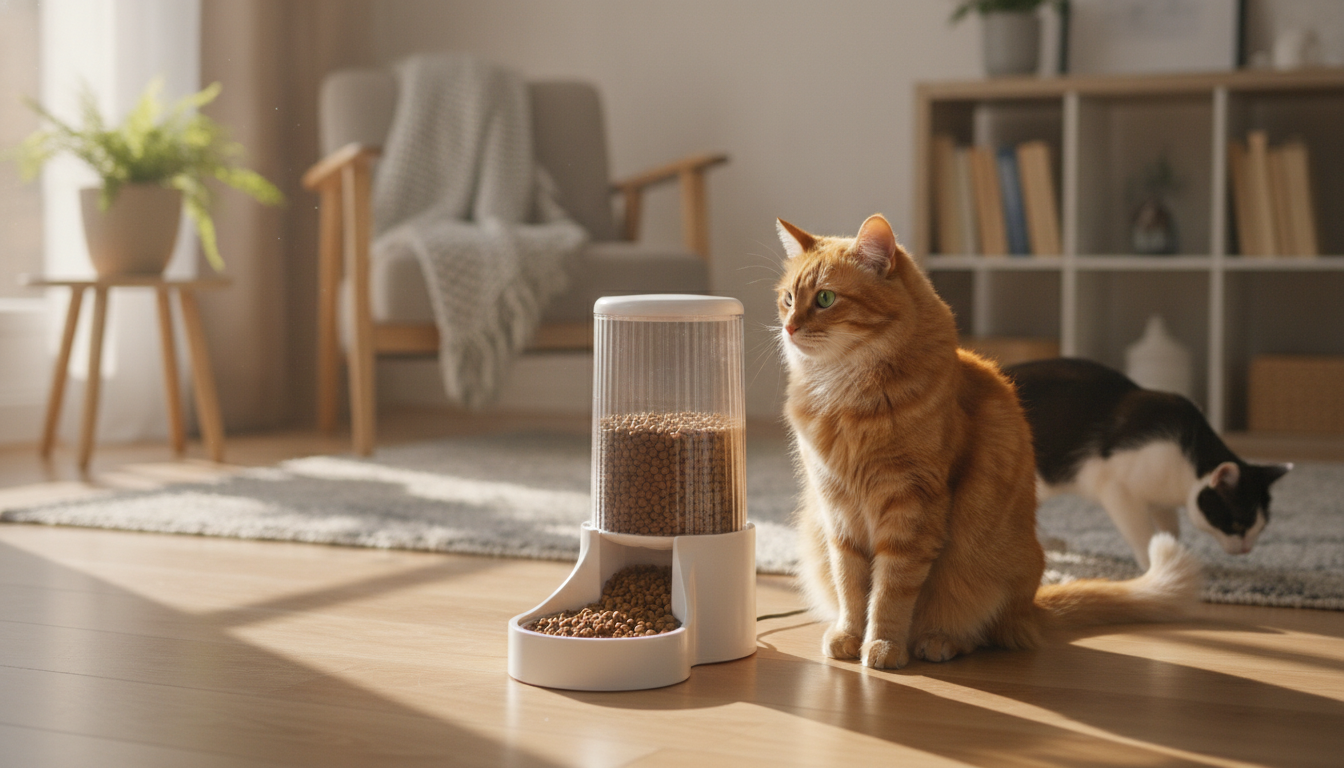
Automatic Pet Feeder for Reliable Daily Meals
Busy schedules, early mornings, and weekend plans get easier when meals stay consistent. An automatic pet feeder helps portion food on a set routine, supports steady habits for pets, and reduces the chances of missed feedings—while still keeping owners in control of what and how much is served.
Why consistent feeding routines matter
Most cats and dogs thrive when meals arrive at predictable times. A steady routine can support more even energy throughout the day and can help reduce behavior issues that show up when a pet is unsure when food is coming next.
- Supports steady energy levels by keeping mealtimes predictable
- Helps manage portions for pets that tend to overeat when food is freely available
- Reduces stress for pets that become anxious around irregular meal timing
- Makes it easier to coordinate feeding when multiple people share pet care responsibilities
When weight is a concern, consistent portions and meal timing can be especially useful. For practical guidance on building healthy feeding habits, the American Veterinary Medical Association (AVMA) pet nutrition resources and the Association for Pet Obesity Prevention offer helpful overviews.
Automatic feeder basics: what it does and what it doesn’t
An automatic feeder is designed to reliably dispense dry kibble according to a schedule you set. It’s a practical tool, but it’s not a substitute for daily care.
- Dispenses measured dry food portions on a schedule, depending on the model’s settings
- Helps reduce skipped meals during late workdays or short trips
- Does not replace fresh water access; a clean water source remains essential
- Does not eliminate the need for daily check-ins on appetite, behavior, and overall health
Food safety still matters with any feeding setup. For storage and handling basics (including keeping scoops clean and minimizing contamination), review the FDA tips for safe handling of pet food.
Key features to look for before buying
Not all automatic feeders feel the same day-to-day. Before choosing one, focus on the features that directly affect reliability, cleanliness, and your pet’s ability to adjust.
- Portion control: adjustable serving sizes to match pet size and diet plan
- Scheduling flexibility: multiple meals per day and easy time adjustments
- Food compatibility: best performance with dry kibble shapes/sizes that flow smoothly
- Power and backup: options that continue working during brief outages
- Secure lid and design: helps deter curious pets from breaking into the food bin
- Easy cleaning: removable parts and surfaces that wipe down quickly
Quick comparison: choosing the right automatic feeder setup
| Need | What to prioritize | Best fit for |
|---|---|---|
| Portion control for dieting | Fine-grained serving size adjustment; repeatable portions | Pets on weight management plans |
| Multiple daily meals | More scheduling slots; easy time edits | Cats and small dogs that do better with smaller, frequent meals |
| Mess and cleanup control | Smooth chute design; removable bowl; easy-to-wipe surfaces | Homes that value quick daily cleaning |
| Households with a curious pet | Locking/secure lid; stable base | Food-motivated cats and dogs |
| Short trips and late nights | Reliable timer; backup power options | Owners who occasionally miss normal feeding times |
Setting up an automatic feeder the right way
A feeder works best when it’s introduced as part of a calm, predictable routine. A little planning up front can prevent common problems like refusal, anxiety, or accidental overfeeding.
- Transition gradually: run the feeder at normal mealtimes for several days so the pet learns the new routine
- Start conservative: begin with smaller portions and adjust based on body condition and veterinary guidance
- Protect food quality: place the feeder on a level surface away from humidity sources to keep kibble fresh
- Clean consistently: clean the bowl and dispensing path regularly to prevent residue buildup and odors
- Verify daily: check food level and operation daily, especially during the first two weeks
If multiple people feed the same pet, it helps to agree on a simple plan: the feeder handles scheduled meals, and any treats are tracked (or limited) so daily calories don’t quietly creep up.
Common issues and simple fixes
Most automatic feeder hiccups are easy to solve once you know what to look for. The goal is a smooth flow of kibble, accurate portions, and a pet that feels comfortable approaching the device.
- Jamming: switch to a smaller kibble size/shape and keep the chute clean and dry
- Overfeeding: re-check serving size settings and avoid “extra” manual snacks that undo portion control
- Pet anxiety around the device: introduce it slowly and pair it with calm praise and familiar routines
- Food staleness: store kibble properly and refill in smaller batches to keep it fresher
- Ant-proofing: keep the area clean, consider a mat, and avoid leaving spilled kibble nearby
When troubleshooting, make one change at a time (kibble type, portion size, schedule) so it’s clear what solved the problem.
Automatic Pet Feeder: a practical option for everyday use
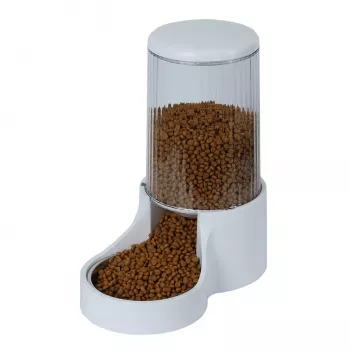
Automatic Pet Feeder is available now for $45.97 (in stock) while supplies last. Pair it with daily play, fresh water access, and ongoing health monitoring to keep feeding routines both convenient and responsible.
More in-stock picks
FAQ
Can an automatic pet feeder help with weight management?
Yes—portion control and consistent meal timing can reduce accidental overfeeding. Confirm daily calorie targets with a veterinarian and adjust serving sizes gradually.
Are automatic feeders safe for cats and dogs?
Generally safe when used as intended; prioritize stable placement, a secure lid, regular cleaning, and daily checks to ensure the dispenser is working properly.
How often should an automatic feeder be cleaned?
Wipe the bowl frequently and do a deeper clean of removable parts on a regular schedule. Clean sooner if food residue, moisture, or odors develop.








Leave a comment