Doc Martens vs Dr. Martens: Any Real Difference?
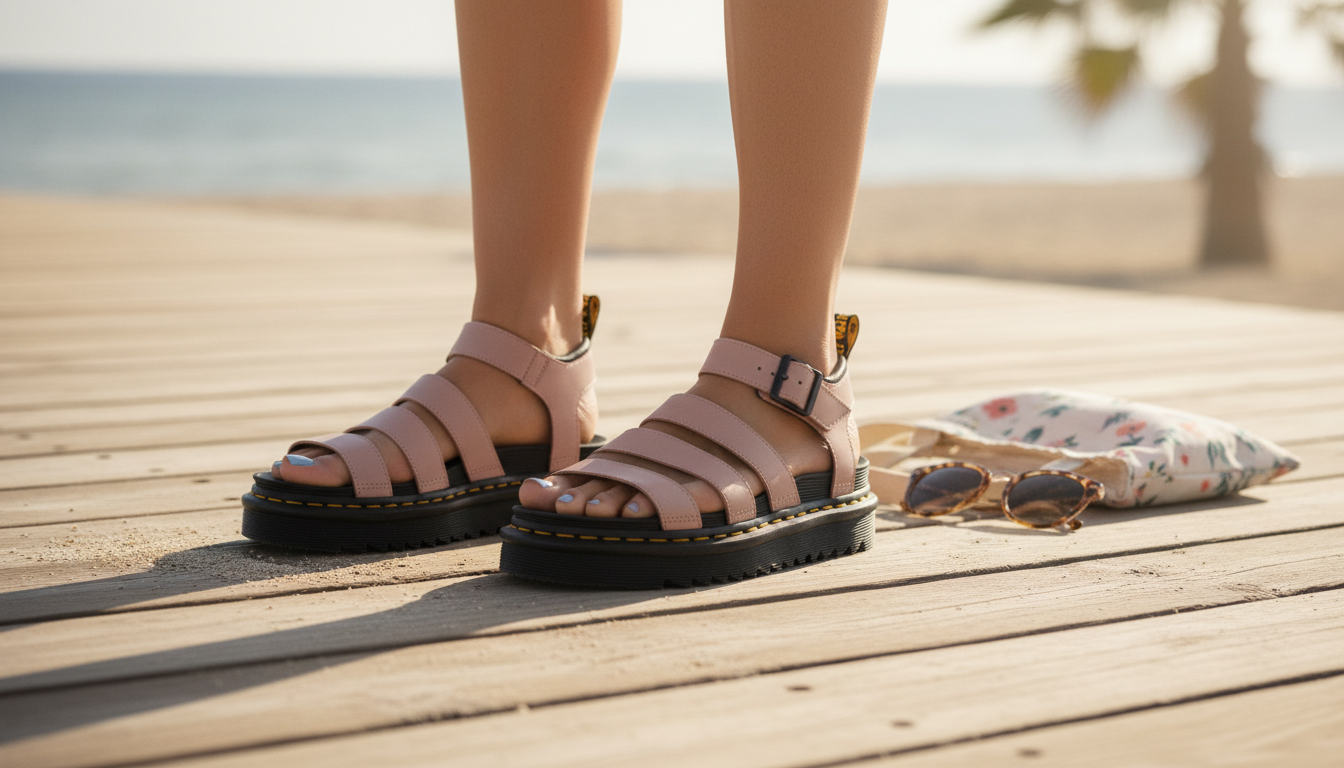
Is there a difference between Doc Martens and Dr. Martens?
Not really. “Doc Martens” and “Dr. Martens” refer to the same brand—Dr. Martens is the official name, and Doc Martens is the common nickname people use in conversation, on social media, and sometimes even in product listings.
Why do people say “Docs” or “Doc Martens”?
It’s shorthand. The brand has been around for decades, and customers naturally shortened “Dr. Martens” to “Docs” or “Doc Martens” the way people say “Chucks” for Converse. You’ll see all three used interchangeably, especially when talking about classic silhouettes like 1460 boots, 1461 shoes, and newer sandals.
Does the spelling change mean different quality or a different line?
No. A listing that says “Doc Martens” isn’t automatically a different product line, factory, or material grade. What matters is the specific model name/number, materials (leather vs. vegan), outsole, and where it’s made—not whether the listing uses the nickname or the full brand name.
When should you pay closer attention?
The only time the naming becomes important is when a seller uses similar-sounding wording to imply authenticity. To avoid lookalikes, check for official Dr. Martens branding on the insole, heel loop, and packaging, and compare the model details to official product descriptions.
If you’re shopping for fashion-forward colors and warm-weather options, the fit and comfort factors can vary more than the name. For a deeper look at styling and wearability, visit this guide to pink Dr. Martens women’s sandals.
For Doc Martens vs Dr. Martens: Any Real Difference?, the best answer depends on fit, material, care instructions, and how the product will be used day to day.
Checking those details first helps avoid a poor match and keeps the choice practical after delivery.
FAQ
Are Dr. Martens sandals comfortable for all-day wear?
They can be, but comfort depends on the specific sandal style and how broken-in the straps and footbed are. Many people find them supportive once adjusted correctly, but expect some break-in time.









Leave a comment