Store Baby Blankets Right: Clean, Dry, Breathable
What is the best way to store baby blankets?
The best way to store baby blankets is clean, fully dry, and folded loosely in a breathable, dust-protective container that keeps moisture and pests out. Aim for a cool, dry spot (like a closet shelf) rather than an attic, basement, or garage where temperature swings and humidity can cause yellowing, mildew, or musty odors.
Start by washing blankets according to the care label and letting them dry completely. If the fabric allows, a short tumble on low or a line-dry finish helps ensure there’s no lingering dampness in thick seams. For delicate knits or heirloom pieces, skip harsh detergents and avoid over-handling; gentle cleaning and thorough drying matter more than tight folding.
Next, fold blankets in a way that avoids hard creases: fold in thirds, then roll or fold again loosely. If you’re storing multiple blankets together, place the most-used ones on top for easy rotation. Add an extra layer of protection by slipping each blanket into a cotton pillowcase or a breathable organizer, especially if the storage spot is high-traffic or dusty.
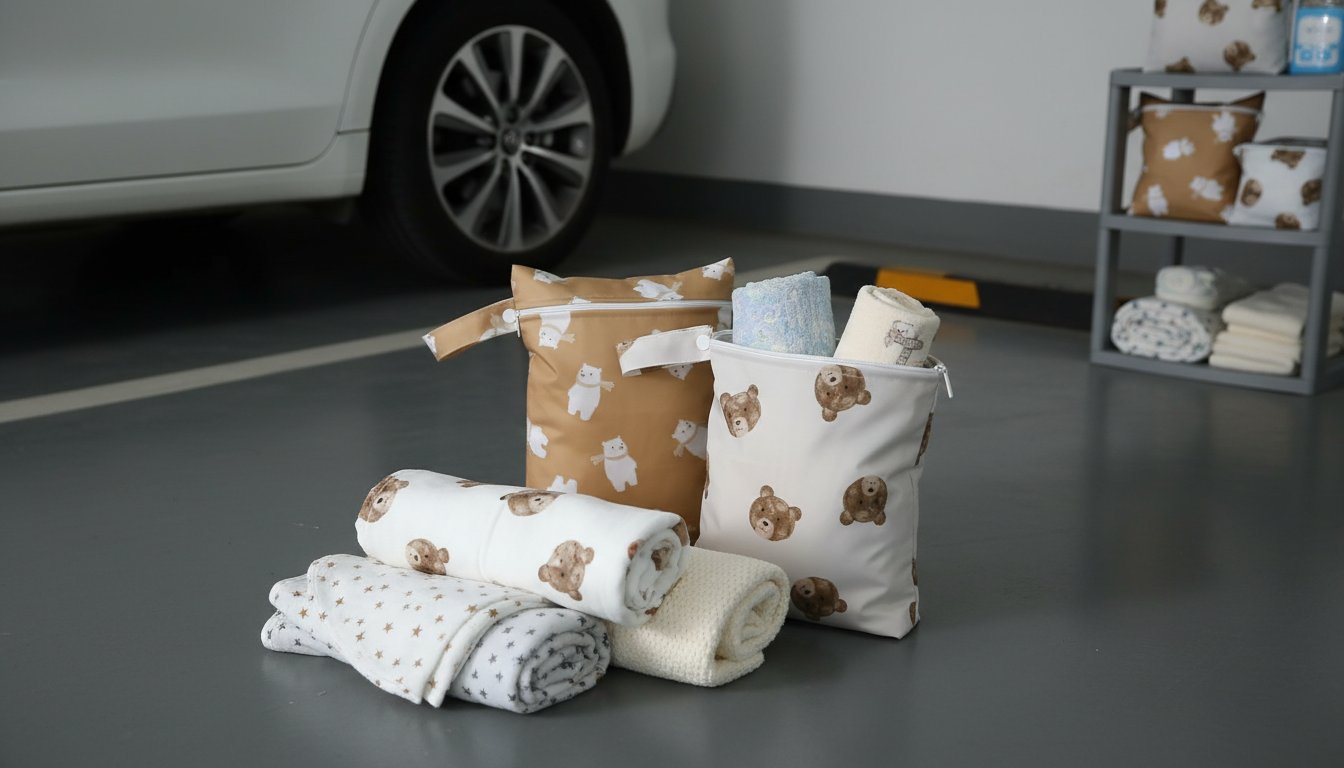
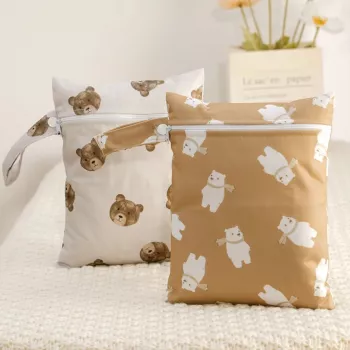
For nursery-friendly organization, use a dedicated storage bag set sized for baby linens so blankets stay grouped and easy to grab during late-night changes. Clear labeling (everyday, swaddles, seasonal, keepsakes) keeps the stack from turning into a rummage pile. For a step-by-step approach and a practical option designed for nursery decluttering, see this baby blanket storage guide.
Finally, avoid vacuum-sealing anything with loft (like plush or quilted blankets) for long periods, since compression can flatten fibers and affect softness. If space is tight, use compression only for short-term seasonal storage, and let blankets re-fluff before use.
FAQ
How do you keep stored baby blankets from smelling musty?
Store only fully dry blankets in a breathable bag or container, and keep them in a cool, dry closet rather than a humid area. If odors show up, rewash and dry thoroughly, then switch to a less airtight, more breathable storage option.








Leave a comment