Moss Floral Hand-Tufted Rug: Calm Texture, Easy Styling
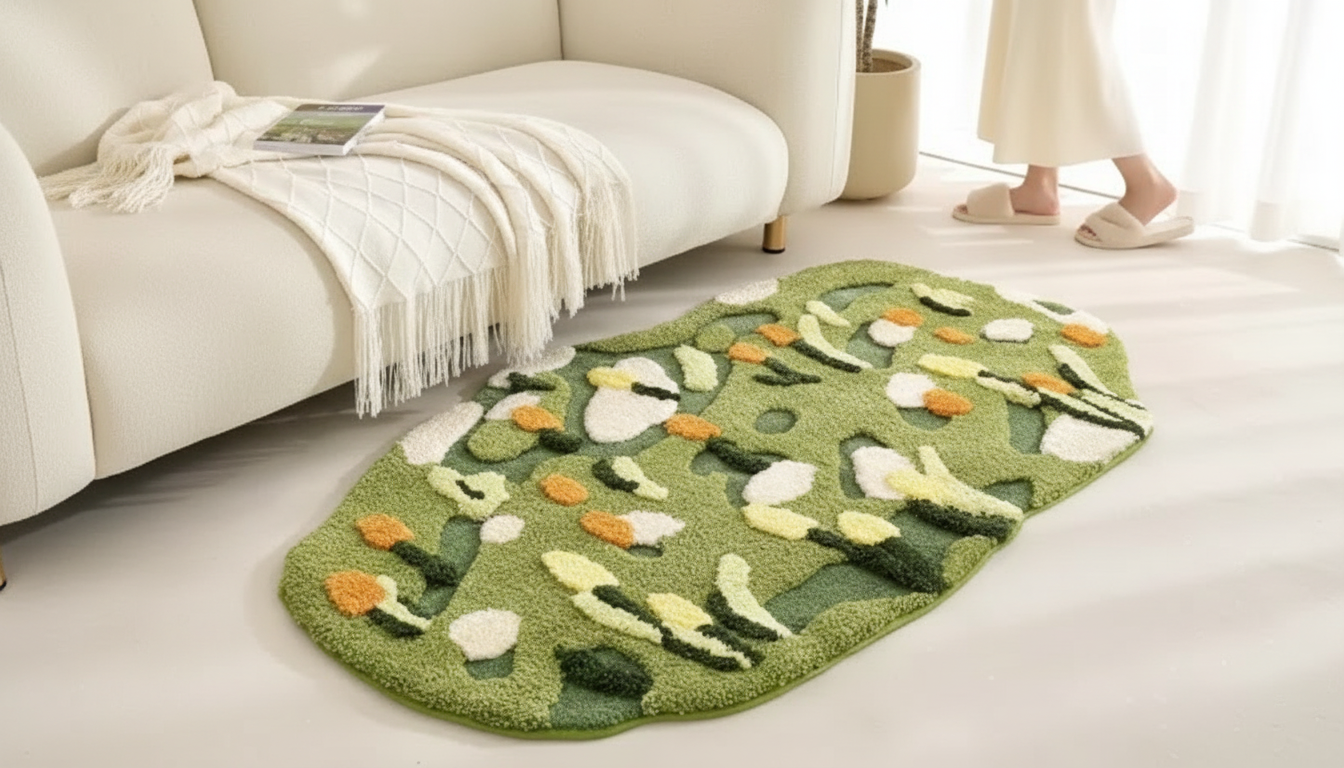
Hand Tufted Moss Floral Area Rug: Texture-Rich Florals for a Calm, Botanical Room
A moss-and-floral motif brings a soft, garden-like feel indoors while hand-tufted construction adds depth you can see and feel. If you want a room that reads calm (not busy), a textured botanical rug can do a lot of the heavy lifting—warming up hard floors, softening sharp furniture lines, and tying together green accents without turning the space into a theme. Below is a practical guide to hand-tufted rugs, where this style works best, how to size it for real-life layouts, and how to keep the pile looking fresh over time. For more guidance, see Moss Rose, Portulaca grandiflora – Wisconsin Horticulture.
What Makes a Hand-Tufted Rug Different
Hand-tufted rugs are created by pushing yarn through a backing to form the pile, then securing it (often with a secondary backing) to help the rug hold its shape. This construction tends to deliver a plush feel with clear pattern definition—especially helpful for florals and organic motifs where outlines and subtle color shifts matter. For further reading, see Handmade Tufted Rug.
Compared with flatweaves, hand-tufted rugs generally feel softer underfoot and add more visual dimension. You’ll often notice raised and recessed areas in the design, which can make the room feel more layered even if the rest of the decor is simple.
Placement plays a role in longevity: using a rug pad reduces shifting and helps limit friction against the floor, which can extend the life of the backing and keep edges from curling.
The Moss Floral Look: Why It Feels So Calming
Mossy tones act like grounded neutrals. They pair naturally with light woods, warm whites, clay colors, and muted metals—so the rug can feel present without taking over the room. Floral patterning also has a “softening” effect: it counterbalances modern, straight lines (think square coffee tables or streamlined sectionals) and makes a space feel more inviting without adding clutter.
Textured botanicals are an especially good match for biophilic and Scandinavian-leaning interiors where nature cues are subtle but intentional. For a cohesive look, echo the rug’s greens in small, spaced-out accents—planters, a single art print, or a couple of throw pillows—rather than matching everything exactly.
Where This Rug Fits Best
Living rooms
A moss floral rug can anchor the seating area and add softness in a high-visibility zone. If you have daily foot traffic (or pets that like to nap under the coffee table), a rug pad is a smart add-on for grip and cushioning.
Bedrooms
In bedrooms, the payoff is immediate: quieter steps, warmer mornings, and a gentler overall mood. Instead of centering the rug perfectly, try positioning it to frame the bed and create wide “landing strips” where you step most often.
Home offices
An organic pattern helps offset screens and hard edges. If you use a rolling chair, aim for a layout that keeps chair wheels off the textured pile when possible, or place the chair on a protective mat while letting the rug define the rest of the space.
Entryways
Sizing and Layout Guide (Living Room, Dining, Bedroom)
Measure the furniture footprint first. A rug should relate to how furniture sits and how people move—not just the amount of open floor showing. For deeper guidance on proportions, Architectural Digest offers a helpful overview of common sizing rules (How to Choose the Right Rug Size).
Common Rug Sizes by Room Setup
| Room / Setup | Typical Rug Size | Placement Notes |
|---|---|---|
| Small living room (sofa + 2 chairs) | 5′ x 8′ | Front legs on rug; keep 6–12 in. from walls if possible |
| Standard living room (sofa + loveseat) | 8′ x 10′ | Covers main seating zone; coffee table centered |
| Large living room / open plan | 9′ x 12′ | All key furniture legs on rug to define the zone |
| Queen bed | 8′ x 10′ | Under lower 2/3 of bed; leaves soft landing on both sides |
| King bed | 9′ x 12′ | Creates generous border; best for larger bedrooms |
| Dining table (6 seats) | 8′ x 10′ | Chair legs stay on rug when pulled out |
Color Pairings That Make Moss Florals Shine
Care and Maintenance for a Textured, Hand-Tufted Pile
For general cleaning guidance and stain-handling basics, Good Housekeeping shares a solid overview (How to Clean and Care for Rugs).
Styling Ideas: From Minimal to Maximal Botanicals
Minimal statement
Layered and cohesive
Botanical, but controlled
Modern contrast
Product Snapshot: Hand Tufted Moss Floral Area Rug
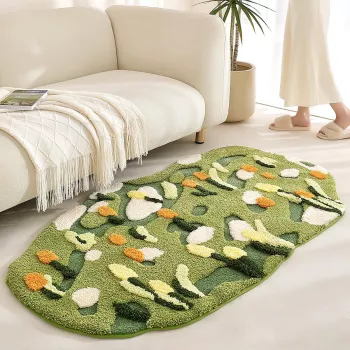
If you’re looking for a nature-inspired focal point with tactile depth, the Hand Tufted Moss Floral Area Rug brings mossy florals into a room in a way that feels calm and intentional. It’s best suited to living rooms and bedrooms where comfort underfoot matters, and it pairs well with a quality rug pad for stability and long-term shape retention.
More In-Stock Finds
- Dr. Martens Women’s Black Boots (a classic black accent that pairs easily with moss and warm neutrals)
- Timberland Men’s Leather Boots (rugged earth tones that complement botanical palettes)
FAQ
Do hand-tufted rugs shed at first?
Light shedding or fuzzing can be normal at the beginning as loose fibers work their way out. Vacuum gently and trim any stray fibers with scissors instead of pulling them.
Should a rug pad be used with a hand-tufted area rug?
Yes—a rug pad improves grip, adds cushioning, and reduces friction against the floor. That added stability can help the rug wear more evenly over time.
How can moss green rugs be coordinated with existing decor?
Treat moss as a neutral: pair it with creams and natural wood for a calm base, or add terracotta and charcoal for contrast. Repeat moss in small touches (like a planter or pillow) rather than trying to match every green exactly.







Leave a comment