Leaving a Cat Alone 2 Days With an Auto Feeder: Safe?
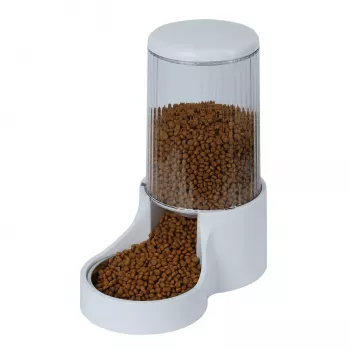
Can I leave my cat alone for 2 days with an automatic feeder?
It depends on your cat’s health, temperament, and home setup, but for most adult, healthy cats, leaving them alone for 48 hours with a reliable automatic feeder can work when you plan carefully. The feeder handles meals; it doesn’t replace water, litter maintenance, or a human’s ability to spot a problem quickly.
What makes 2 days alone safer (or riskier)?
Safer situations include a healthy adult cat that eats dry food well, has no history of medical emergencies, and is comfortable being alone. Risk increases with kittens, senior cats, cats with diabetes/kidney disease/hyperthyroidism, cats on timed medications, or any pet prone to stress behaviors. If your cat has ever stopped eating when anxious, don’t test a 2-day absence without a sitter.
How to set up an automatic feeder for a 48-hour trip
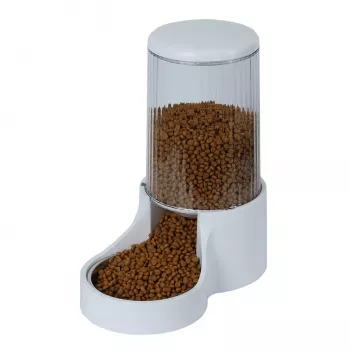
First, do a “practice weekend” while you’re still nearby so you can confirm the feeder dispenses correctly and your cat actually eats from it. Use fresh batteries (even if it’s plugged in), keep the hopper clean and dry, and avoid overfilling if humidity makes kibble clump. Program portions that match your cat’s routine rather than giving two huge meals.
Also plan for everything the feeder can’t do: provide at least two large water sources (or a fountain plus a backup bowl), set out an extra litter box, and remove hazards like strings, lilies, and unsecured trash. If possible, add a pet camera for quick check-ins and ask a friend or sitter to be on-call if something looks off.
When you should still arrange a human check-in
Even with a great feeder, a once-daily visit is the safest option if you can arrange it. A sitter can confirm your cat is eating, refill water, scoop litter, and catch issues early (vomiting, diarrhea, hiding, or a feeder malfunction).
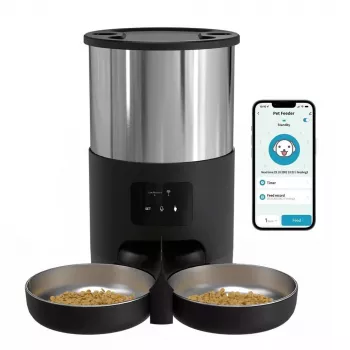
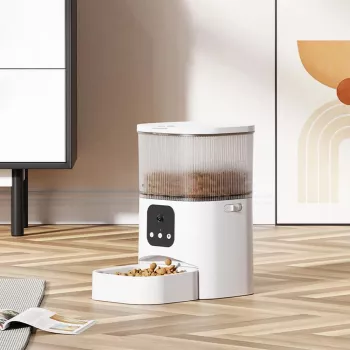
For more tips on choosing and using automatic feeders to support consistent meals and better routines, see this guide to automatic pet feeders.
FAQ
What’s the best way to keep my cat hydrated while I’m away?
Set out multiple water sources in different rooms, ideally a fountain plus at least one large bowl as backup. Place water away from food and litter, and rinse/refill right before you leave.








Leave a comment